


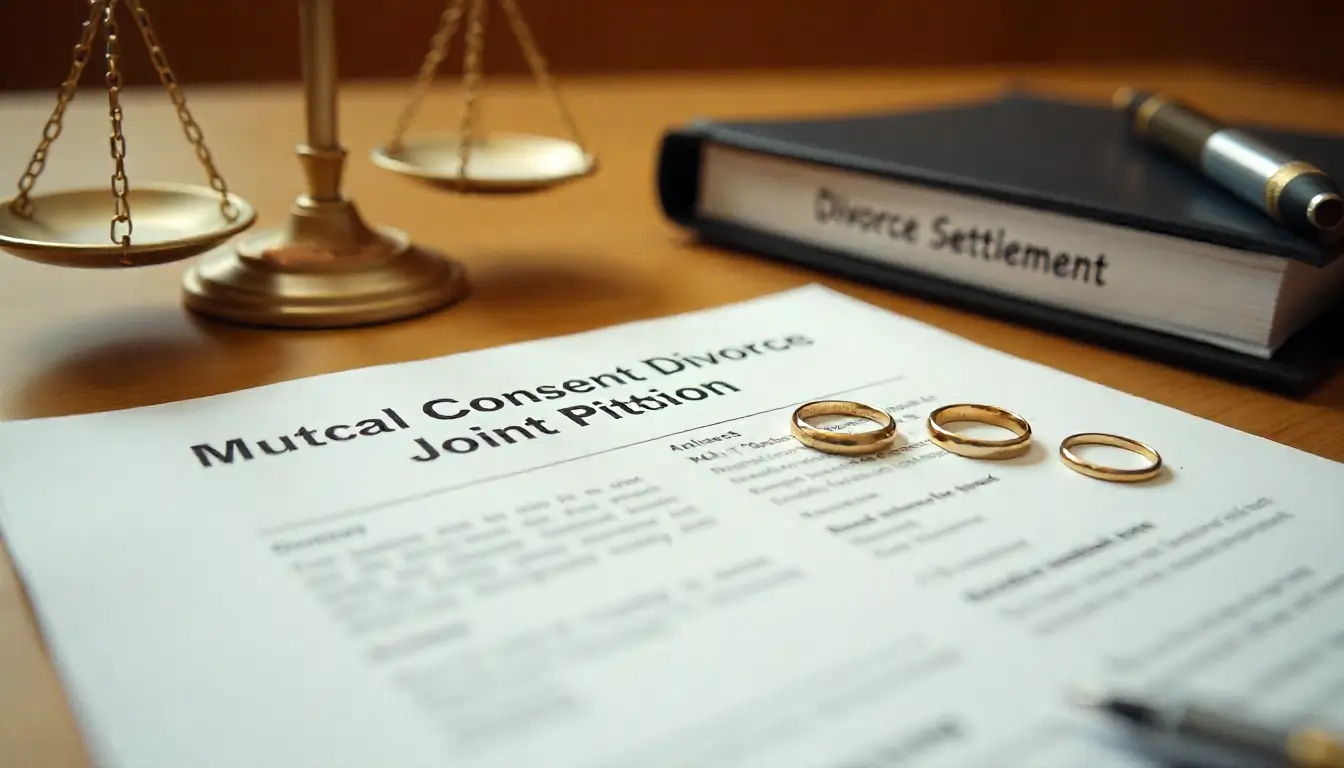
Mutual Consent Divorce Procedure in India: Step-by-Step Legal Guide
Mutual consent divorce has become a practical and peaceful way for couples to end their marriage in India. It allows both spouses to separate with dignity, without long litigation, emotional stress or unnecessary conflict. When both partners agree that the marriage cannot continue, mutual divorce becomes a simpler and more respectful legal option.
This guide explains the complete procedure for mutual consent divorce in India, including legal requirements, documents, custody, alimony and common mistakes to avoid.
For personalised support with divorce or family law matters, visit:
Divorce Law Services – Lawspicious.
What Is Mutual Consent Divorce?
Section 13B of the Hindu Marriage Act, 1955 allows a husband and wife to jointly file for divorce when they mutually agree to end the marriage. Similar provisions exist in:
- Section 28 – Special Marriage Act, 1954
- Section 10A – Divorce Act, 1869 (for Christians)
Mutual divorce is chosen when the couple agrees on key matters such as:
- Alimony & maintenance
- Child custody and visitation
- Division of assets and responsibilities
It is faster, cost-effective, and protects the privacy of both spouses.
Legal Requirements for Mutual Consent Divorce
1. Minimum One-Year Separation
The couple must have been living separately for at least one year before filing the joint petition.
2. Voluntary Agreement
Both spouses must voluntarily agree to divorce without pressure, force or manipulation. They must also agree on custody, alimony and other terms.
3. No Coercion or Fraud
The consent must be genuine and free from threats or fraud. Courts verify this during hearings.
Step-by-Step Procedure for Mutual Consent Divorce in India
Step 1: Drafting the Joint Petition
The couple prepares a joint petition that includes details about the marriage, separation, reasons for divorce and mutually agreed terms on custody, maintenance and property. A Memorandum of Understanding (MoU) is often created for clarity.
Step 2: First Motion and Appearance Before the Court
The petition is filed before the family court with jurisdiction. Both spouses must appear before the judge to confirm the contents of the petition. The court may refer them to mediation or counselling before proceeding.
Step 3: Cooling-Off Period
The law generally provides a 6-month cooling-off period, which may extend up to 18 months. This time is given to allow the couple to reconsider their decision. However, courts may waive the cooling period if reconciliation is unlikely.
Step 4: Second Motion and Final Hearing
After the cooling-off period, both spouses appear again to reaffirm their consent. If the court is satisfied that the decision is voluntary and fair, it proceeds to the final stage.
Step 5: Grant of Divorce Decree
The family court passes the final decree of divorce. The couple can then obtain certified copies of the order for their records and legal use.
For guidance throughout the divorce process, visit:
Contact Lawspicious.
Documents Required for Mutual Consent Divorce
- Marriage certificate
- Address proof of both spouses
- Photographs of both spouses
- Income proof (salary slips, ITR, bank statements)
- Proof of one-year separation
- MoU on alimony, custody and other agreed terms
How Long Does a Mutual Consent Divorce Take?
- Average duration: 6–18 months including cooling-off period
- Fast-track: If the cooling period is waived, the divorce may conclude in about 6 months
The exact duration depends on court schedules, documentation and the couple’s cooperation.
Learn more about divorce procedures here:
Family Law Services.
Custody and Alimony in a Mutual Divorce
In most mutual divorces, the couple reaches a mutual settlement before filing the petition.
Child Custody
Courts prioritise the child’s welfare. Couples may agree on:
- Sole custody
- Joint custody
- Visitation rights
Alimony and Maintenance
Spouses may settle the alimony amount mutually. The court checks if the amount is reasonable given the income and liabilities of both sides.
Advantages of Mutual Consent Divorce
1. Faster and Cost-Effective
The process is simpler, involves fewer hearings and usually takes less time.
2. Reduced Emotional Stress
Since both spouses cooperate, the conflict is minimal compared to contested divorce.
3. Better for Children
Mutual understanding reduces emotional pressure on children and creates a healthier environment post-divorce.
4. Privacy and Dignity
Mutual divorce protects personal details, allowing the couple to part ways respectfully.
Common Mistakes to Avoid
- Not documenting all settlement terms clearly
- Signing agreements without legal review
- Accepting unfair custody or alimony terms
- Hiring inexperienced legal assistance
For reliable legal guidance, explore:
Lawspicious Family Law Services.
Conclusion
Mutual consent divorce is a respectful and smooth method of dissolving a marriage when both spouses agree to part ways. With proper documentation and legal guidance, the process becomes faster, affordable and free from unnecessary conflict.
If you are considering mutual divorce or need assistance preparing your settlement, Lawspicious can help you through every stage with confidential and practical legal advice.
Reach out to our team here:
Contact Lawspicious.